The Reasons To Work With This Cooker Island Hood


How to Choose a Cooker Island Hood
A cooker island hood eliminates cooking fumes, smoke, and odours to keep your kitchen air fresh. Before purchasing, it is essential to determine your hob and kitchen ceiling to ensure that the hood will be a great fit.
Kitchen hoods can be wall-mounted, included into cabinets, or made part of a canopy in your ceiling. They can be broadened when in use or retracted and concealed away.
Size
When purchasing a cooker hood, size is a crucial factor to consider. The very best size of a kitchen hood depends on your cooking practices and the design of your area. The ideal hood should be at least as wide as your cooktop to ensure that it covers all of the area when it is in use, so it can successfully catch smoke and smells while in operation.
Choosing the right kitchen hood size also depends upon just how much ventilation you need in your area. The CFM rating of a hood is an indication of how lots of cubic feet per minute it can move. As a general guideline, you should get a hood with a CFM score that matches the square footage of your kitchen to make sure reliable ventilation.
For smaller cooking areas, slimline cooker hoods are an excellent option as they are created to fit below and above overhead cabinets. However, they normally have less suction power and might not appropriate for homes that do a lot of heavy cooking. For bigger cooking areas, island and chimney hoods provide more efficient extraction and ventilation.
Island range hoods are suspended from the ceiling above your kitchen island and offer more reliable ventilation for your cooking space. They are offered in a range of designs and sizes to match different kitchen styles. They can likewise be ducted or ductless. kitchen island cooker hood Ovens & Hobs will vent outside of your home while re-circulating hoods will filter and vent back into your kitchen.
The setup procedure of a kitchen hood is complicated and needs professional aid. It is likewise a good concept to follow the producer's instructions thoroughly to prevent unanticipated issues. When installing your hood, it is also important to install it at the correct height above the cooktop. The hood should not hang expensive as it can minimize its effectiveness and interfere with your presence while cooking. The ideal height is between 24 and 30 inches above the cooktop.
Style
Island cooker hoods hang from your ceiling, producing a sleek and modern-day addition to your kitchen. They're a blessing for passionate home cooks or anybody who spends a great deal of time in their kitchen, streamlined airflow and assisting keep smoke, odors, and grease under control. They also are available in a variety of styles to fit any style, from smooth and almost a decoration piece to tough workhorses that go unnoticed below your cabinet.
They are typically installed above the center of your island or gas range, depending on the manufacturer's suggested ceiling height. Nevertheless, if you have a tall ceiling, it's finest to install an extension kit that can be purchased from the exact same brand name or online to ensure your hood is at the right height for optimum efficiency.
These are normally easy to install, however it's a great idea to hire a professional to do the task to prevent any mechanical issues in the future. It's likewise important to speak with the hood producer's guidelines to make sure the setup procedure is done correctly, especially for high ceilings.
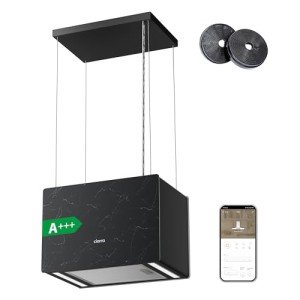
This gorgeous designer Italian-style hood from Cosmo features a sleek stainless steel body and curved tempered glass visor to blend in with your decoration. Its 380 CFM of suction effectively rids your kitchen of pollutants, smoke and cooking odors while the stainless steel ARC-FLOW permanent filters are dishwashing machine safe for simple upkeep. Easily control power, lighting and 3 fan speeds with the push of a button on the soft touch controls.
If you desire a downplayed and sophisticated alternative, consider a wall install vent hood that hides ductwork in your cabinets. These are smaller sized than canopy hoods, and they're more discrete so you can focus on your kitchen's style. Nevertheless, they have lower suction than larger hoods and might not be as efficient for heavy cooking.
You can select a design with LED lighting alternatives to illuminate the cooking area listed below, and many designs also have remote control capabilities so you can adjust the fan speed and lights from throughout your space. Some even include a night light setting that can discreetly accent the space while providing a soft glow.
Extraction
A cooker hood in your island kitchen assists to clear the air, getting rid of unwanted steam, grease and cooking odours that can cause undesirable sticky residues on surfaces, making them more difficult to clean up. This can also motivate mould development and trigger damage to cabinet paintwork over time.
An elegant and efficient extractor hood will help to keep your cooking area tidy and fresh, particularly in large open plan areas where smells can take a trip even more into other areas of your house. Our range of high-performance island hoods provide effective extraction, a sleek design and advanced functions like automated controls and LED task lighting.
There are 4 primary kinds of extractor hoods that can be set up over an island; chimney extractor, ceiling mounted, downdraft and wall-mounted. Selecting the ideal type depends on your style preferences and extraction requirements.
Chimney extractors sit above the hob and, when activated, a downdraft increases from the worktop to capture smoke, fumes and odours. They are the most efficient choice for island extraction and can be vented out through ducting (with suitable ducted extractor fan ducting kit).
Ceiling installed hoods are a discreet option to chimney and downdraft models, sat flush with your ceiling to develop a seamless finish. Triggered by pushing a button, they pull in the air through a concealed vent and can be set to recirculate or vent outside, depending on your requirements.
Downdraft extractors are hidden from view under your counter top and, when triggered, increase vertically to the preferred height. They can be set to recirculate or to vent externally, and are ideal for cooking areas with an incorporated oven.
For a more decorative option to conventional hoods, our range of stainless-steel island extractor fans offer a distinct appearance that will become the centerpiece of your kitchen. With a minimalist, circular style and powerful extraction rates, they will suit any design of kitchen while providing extraordinary performance. Select from a variety of surfaces consisting of silver and black, to complement your existing kitchen design while adding a strong design statement. Our stainless-steel island extractor fans featured a dishwasher-safe aluminium grease filter, automated controls and LED downlights.
Noise
If your cooker hood isn't as quiet as it used to be, the extractor fan motor may be damaged. It can be triggered by rust, moisture, or grease build-up, which prevents it from running correctly. This results in noises, such as a loud whirring noise. If this takes place, you will have to change the motor.
A loud hood can be very annoying, especially in open-plan cooking areas and living spaces. This is why it's essential to choose one that offers outstanding extraction abilities without causing excessive noise. Numerous brands offer quiet cooker hood models that can achieve this objective.
Duct System Issues
If there's an imbalance in air pressure in the ducting system of your cooker hood, it can cause turbulence. This can produce acoustic vibrations that manifest as noise, even when the hood is switched off. To examine if this holds true, find where the ducting meets the wall and examine it for signs of damage. If the ducting is venting out the front or back of the hood, remove the chimney cover and utilize a torch to see if there are any obstructions in the ducting.
Other issues that can trigger your hood to make unusual sounds are loose parts or a malfunctioning switch. If the hood is hardwired, it's necessary to make sure that the circuit breaker that provides power to the hood is changed off. If the hood isn't hardwired, you can check the wiring and the electrical switches for any damage or wear-and-tear.
The nozzle of your cooker hood's exhaust fan can likewise trigger problems if it is dirty or obstructed by grease. If the nozzle is filthy, it can produce a clapping sound. If it's blocked by grease, you can apply a piece of blu tack to diminish the clapping.
Cooker hood sound levels are normally shown in decibels (dB) on the product label or in its specifications. The number depends on the distance and fan speed measurements that the hood is evaluated at. The maker will follow standardised testing treatments to make sure that the information is precise.